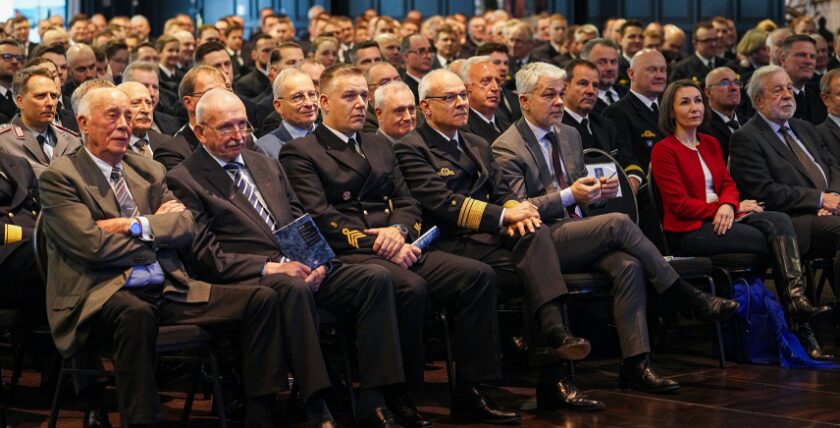
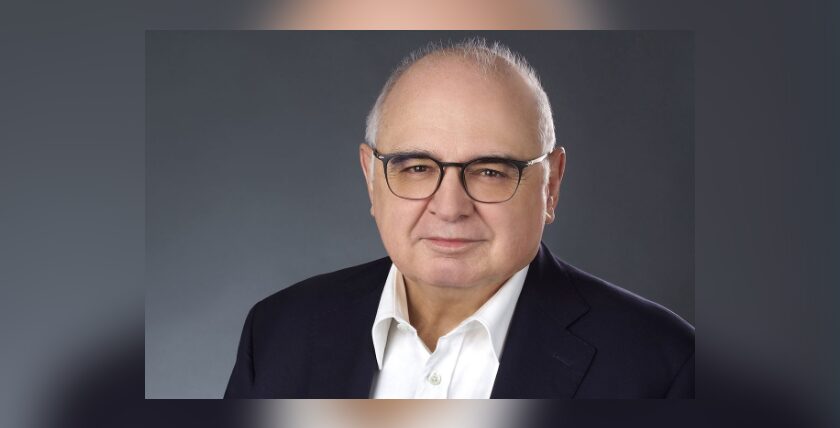
An audience of around 50 listened with fascination to the lecture by Captain (ret.) Rolf Martens, the last surviving of the seven founding members of the German Naval Institute at the German Armed Forces Command and Staff College. The retrospective in the 50th anniversary year is highly exciting. It is a contemporary witness report, and so you can read an abridged version of the...

In contrast to many other countries, the maritime sector has only a low public profile in Germany. Despite the country's dependence on open sea routes. The 13th National Maritime Conference (NMK) took place in Bremen in mid-September 2023. Around 800 participants discussed and evaluated Germany's maritime interests in...

Sorry! You don't have access to this page.

...

You read the headline "4-day week in the navy!" This causes confusion. Our minister, Boris Pistorius, our inspector general, General Carsten Breuer, and our naval inspector, Vice Admiral Jan Christian Kaack, keep mentioning it: "Just do it!" And they also say that the existing regulations and directives can be exhausted.

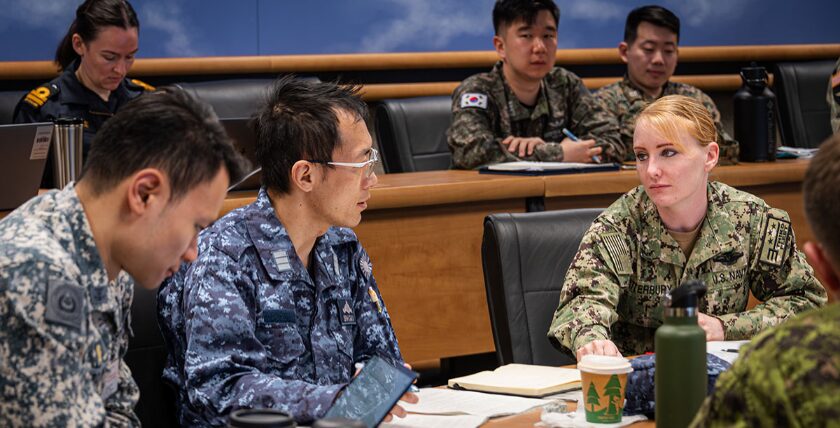
Turning point, return to national and alliance defence. This means that the navy must once again be able to hold its own in high-intensity combat. An important component in achieving this goal is the Multidimensional Naval Warfare Training Centre of Operational Flotilla 2. "Good morning crew, today is Thursday, Weekly War! 'Ginger' is not going to make it easy for us today. But...

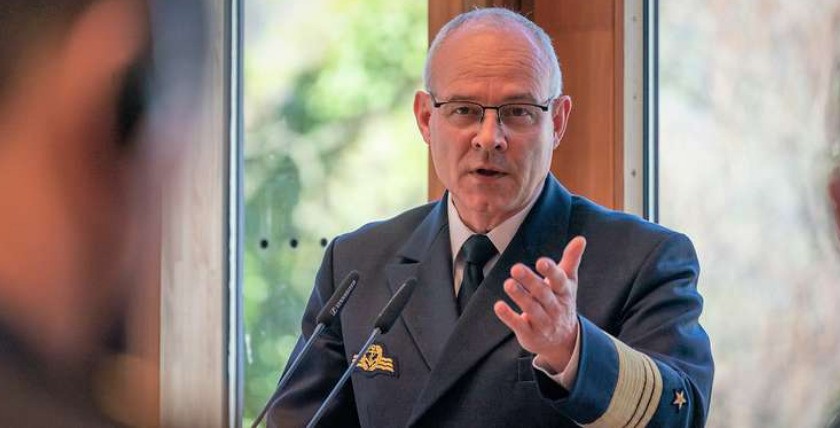
For the German Navy, too, this means a return to a focus on national and alliance defence. In an interview with marineforum, Vice Admiral Frank Lenski, Commander of the Fleet and Deputy Chief of Naval Operations, talks about the resulting willingness to take on responsibility, current problems and the importance of those serving in the reserves. Mr Admiral,...

At the parliamentary evening in Berlin, the participants discussed the legal and organisational problems of maritime security. "Our maritime infrastructure is the lifeline for the economy and society in our country. How can these lifelines be protected, and who reacts when a danger threatens or needs to be combated?" This was the key question...

Scientists specialising in naval topics are in demand abroad. Here in Germany, however, they are fighting against disinterest and rejection. On the face of it, the 175th anniversary of German navies is primarily a matter for historians, as the aim is to draw the broad lines. However, such a rather narrow view has two major problems. On the one hand...

Germany is committed to protecting the oceans and to the fair use of the sea. Maritime armed forces can also contribute to the enforcement of rules. A German frigate in the Mediterranean - under the NATO Sea Guardian mandate - could be deployed more easily to ensure comprehensive maritime security and to enforce fair, sustainable use of the oceans than a German...

And what about us existing customers?" I have often heard this or something similar when it comes to new ideas for making service in the armed forces more attractive and attracting additional applicants. People also like to talk about human resources. To be clear: we are neither...

en_GBEnglish