









Eight decades after Allied soldiers crossed Germany's last bulwark - the Rhine - under fire to break through the German defences, US soldiers once again gathered on the banks of the river to commemorate the historic crossings together with active duty, veterans and German soldiers.
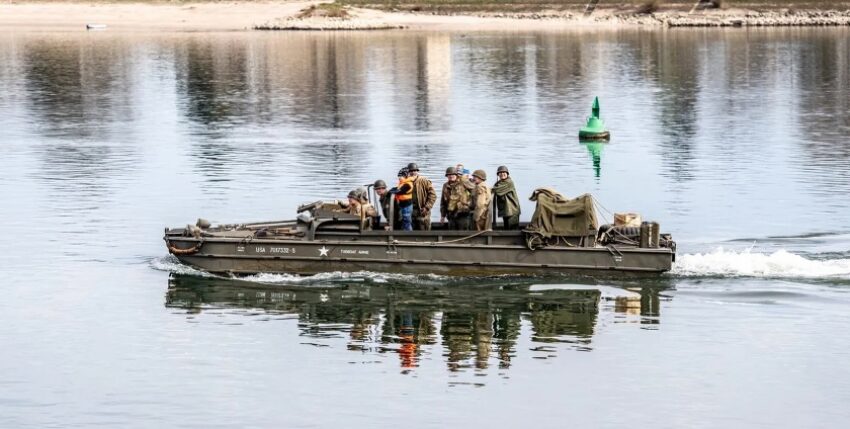
To the musical accompaniment of an army band, soldiers in old uniforms sailed down the Rhine on the World War II amphibious boat "Tugboat Annie" to commemorate the successful crossing on 22 March 1945, which gave the starting signal for a massive invasion of Nazi Germany by US General George Patton's Third Army.
In March 1945, it was all about finding ways across the Rhine, as the Wehrmacht was now doing everything it could to destroy every possible crossing point. However, the Allies achieved a miraculous victory on 7 March 1945 and captured the Ludendorff Bridge near Remagen.
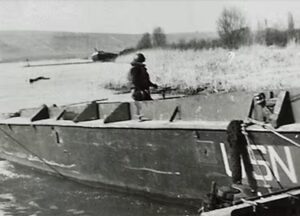
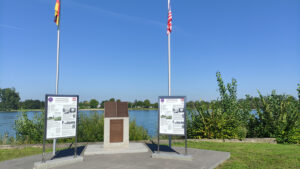
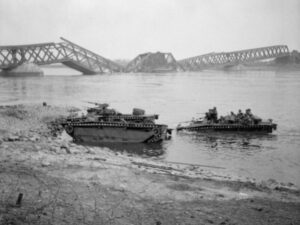
On 22 March, Patton allowed his troops to simply cross the river without any major air support. Late into the night, the soldiers crossed the river in amphibious vehicles, first at Nierstein (10 kilometres south of Mainz), later also at Oppenheim, and surprised the German troops, who had been weakened by weeks of fighting. Within a few days, several divisions of the Third US Army had created a bridgehead through the German lines and built pontoon bridges.
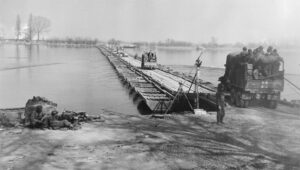
General Field Marshal Bernard Montgomery's 21st Army Group was also preparing its invasion of the German heartland. Operation Plunder itself began on 23 March 1945 and took place on the Lower Rhine between Rees and Wesel (United Kingdom) and between Wesel and Dinslaken (USA/Canada) over a width of more than 30 kilometres and was massively supported by heavy artillery fire. The town of Wesel had previously been almost completely destroyed by bombs and shells.
The event in Nierstein was the most recent commemoration of the 80th anniversary of the liberation of Europe. Since last summer, the Allies have been travelling in the footsteps of their victory. Active soldiers, veterans and other participants have jumped out of old planes, landed on the beaches of Normandy and marched through parts of the Netherlands to honour the troops who fought and died there 80 years ago; for the freedom of Europe.
We can only hope that they did not die in vain. The road to war does not seem to be far for individuals.
kdk, taskandpurpose

 English
  German