






Cuxhaven Havariekommando's good results for 2025: the number of pollution incidents remains at a low level
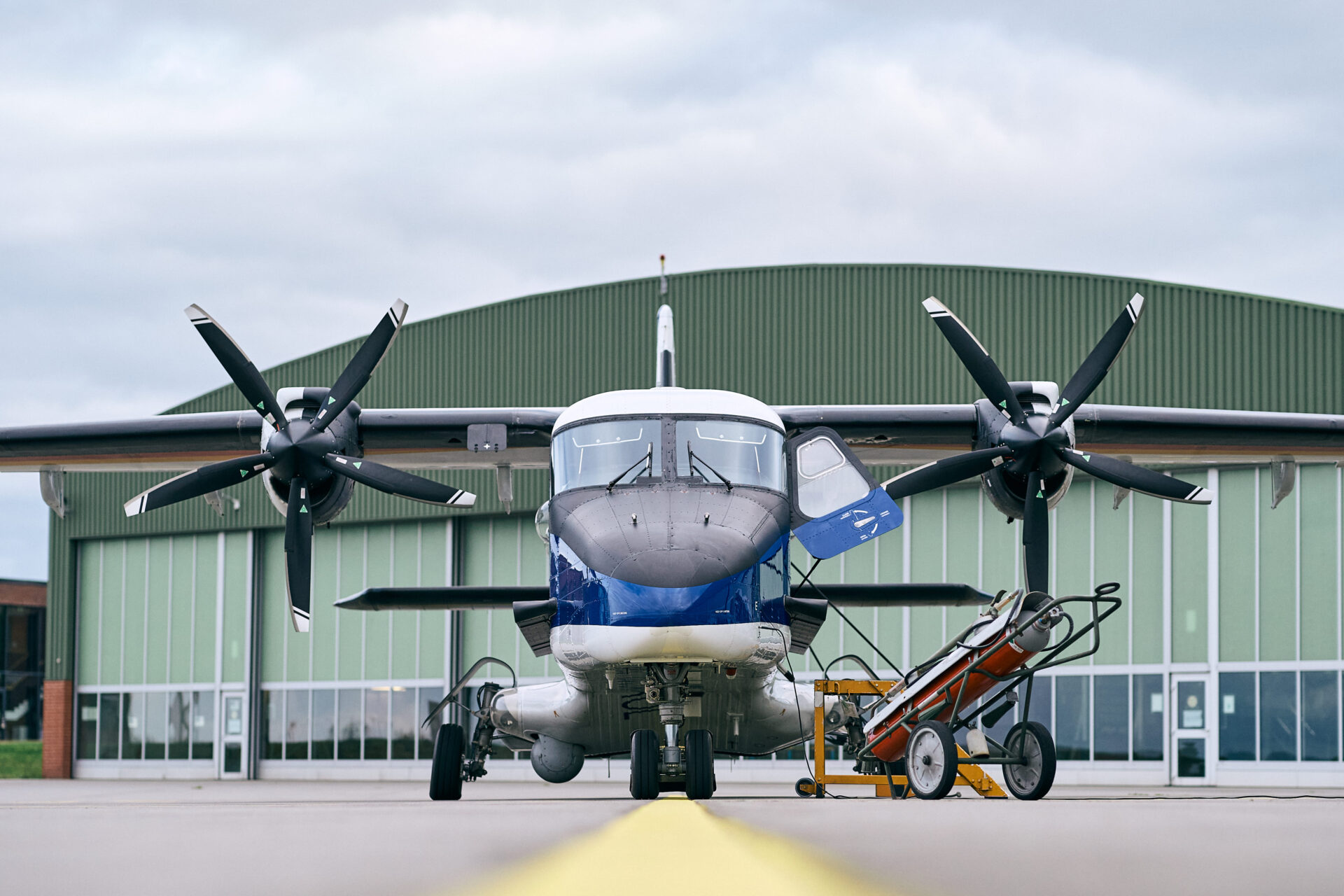
Co-operation between the Central Command for Maritime Emergencies and the German Navy's Naval Air Wing 3 „Graf Zeppelin“.
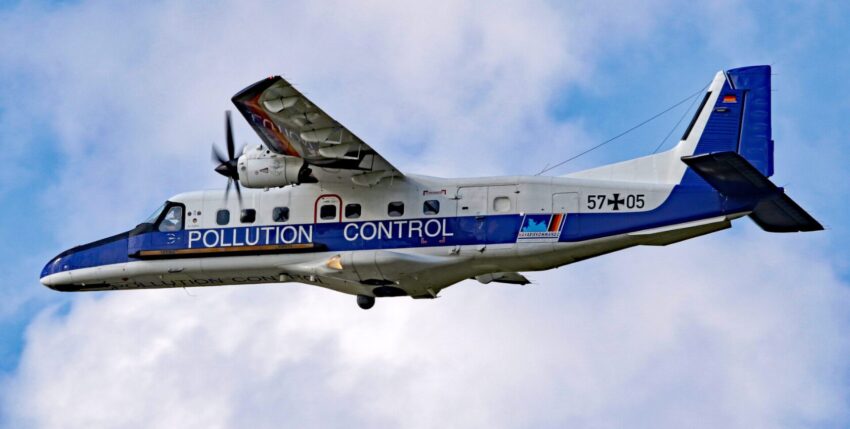
How the General Average Command Cuxhaven announced in a press release on 22 February 26, the crews of the „Pollution Control“ flights with the Dornier 228 (Do 228) sensor aircraft performed 472 missions in 2025 on behalf of the General Average Commands detected a total of 130 pollution incidents in the North Sea and Baltic Sea. Statistically, this means that they detected pollution approximately every eleven to twelve flight hours - similar to the previous year.
In 48 cases, the crews of the Do 228 were able to identify the source of the pollution. This corresponds to a rate of around 37 per cent. In the previous year it was 25 per cent. The naval aviators who operate the aircraft forward the sightings and the associated evidence to the General Average Command further. From there, the material is passed on to the relevant investigating authority, whose task it is to prosecute the environmental offenders. Of the 130 cases of pollution, 109 were registered in the North Sea and 21 in the Baltic Sea. In 36 cases, the pollution turned out to be mineral oil, while 94 cases involved substances that could not be clearly identified. These are mostly liquids such as drilling water or residues from tank washing.
51 of the spills were in German waters (39 in the North Sea, 12 in the Baltic Sea). The remaining spills were distributed across sea areas in the Netherlands, Denmark and Sweden, where the „oil planes“ are also deployed on the basis of intergovernmental agreements. The discoveries in these waters are managed by the General Average Command to the competent authorities in the respective country.
The airborne monitoring of marine pollution is a military operation that has been in operation since 1986. The crew - two pilots and one operator - are soldiers. They fly the Do 228s stationed at the naval air base in Nordholz near Cuxhaven on a civilian mission for the General Average Command, which owns the two machines with the eye-catching „Pollution Control“ labelling. The aim of the oil reconnaissance programme is to continuously monitor the North Sea and Baltic Sea and detect pollution in German waters. The sensor aircraft have modern technical equipment for this purpose. Among other things, they are equipped with radar, high-resolution cameras and infrared and ultraviolet sensors that can detect oil films and other - even very small - contaminants on the surface of the water. In addition to their monitoring task, the aircraft can also provide valuable information for the General Average Command deliver.

 English
  German