



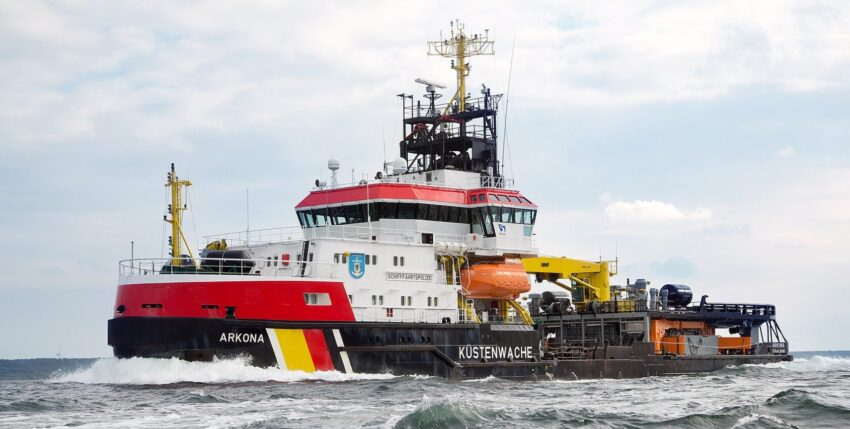






Persistent frost has led to pronounced ice formation in the coastal waters of Mecklenburg-Vorpommern and requires increased Icebreaker support for commercial shipping. The Waterways and Shipping Authority uses the Multi-purpose ice crusher "Arkona", the most powerful German icebreaker in the world. Baltic Sea with home port Stralsund.
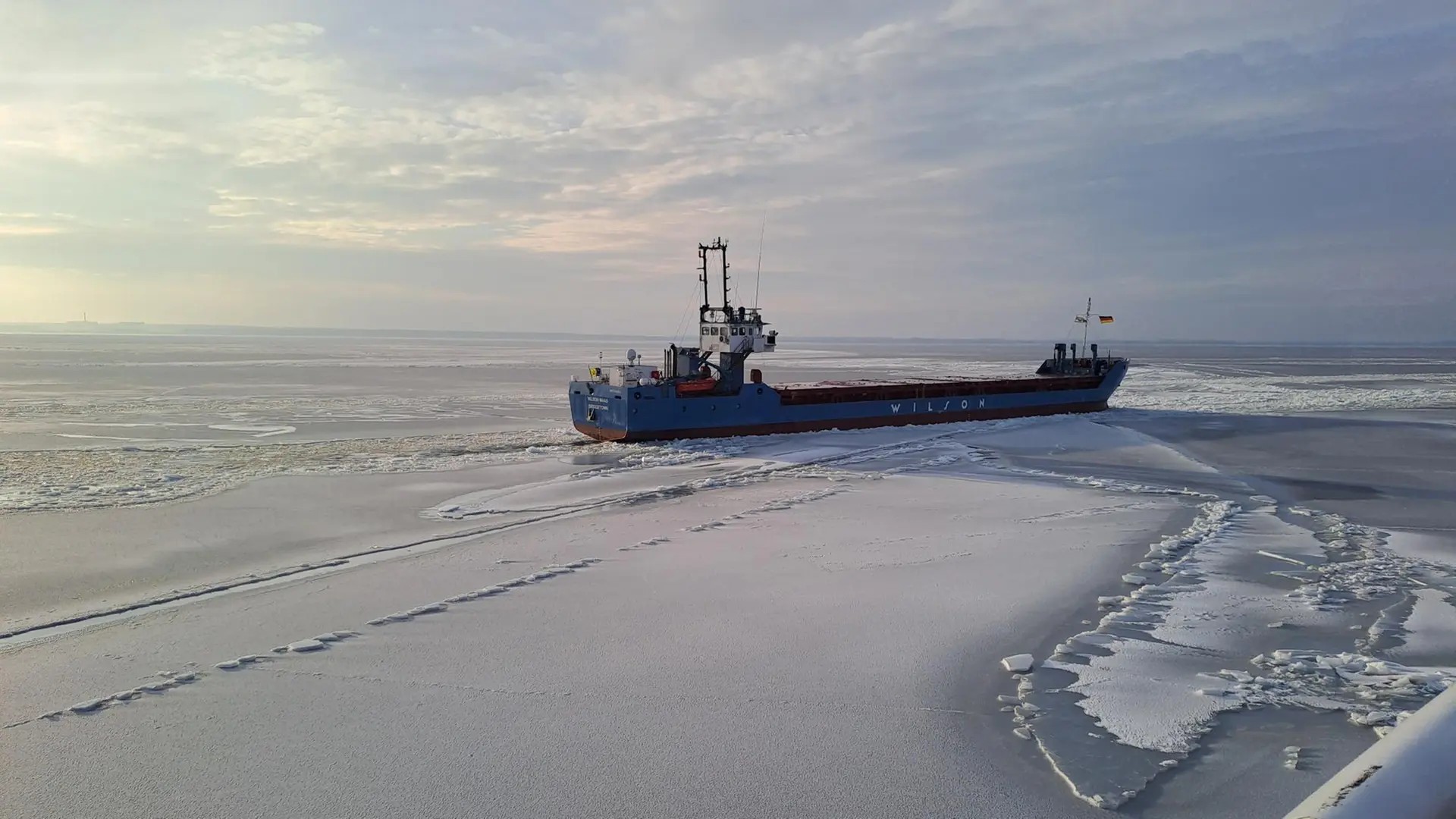
The ice is currently around 15 centimetres thick, and locally even thicker. The impact on shipping traffic became clear at the end of January when the freighter "Wilson Maas" (Barbados flag) got stuck in the ice on its way from Poland. The "Arkona" broke up the ice in the affected sea area and escorted the ship to its destination harbour in Greifswalder Bodden. The operation underlines the importance of efficient Icebreaker capacities for the maintenance of winter maritime traffic.
With a maximum Ice-breaking capacity of up to 50 centimetres of solid ice, the "Arkona" is designed for severe ice conditions. In addition to keeping the shipping lanes clear, it also performs additional safety-related tasks. This also includes checking and securing the navigation signs. Ice pressure can cause tonnes to drift or be pushed under the ice cover, which significantly increases the risk of deviations from the fairway. In several cases, navigation marks have already had to be recovered from the ice and temporarily retracted. Cargo ships bound for Stralsund, Lubmin and Greifswald are currently prohibited from travelling at night. The aim is to minimise the risk of an accident and to coordinate icebreaker operations efficiently.
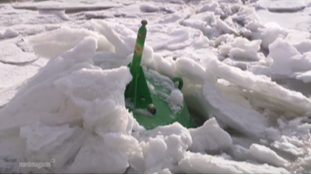
The Baltic Sea island Hiddensee is currently completely encased in ice. The simultaneous cancellation of the ferry "Vitte", which suffered a water ingress at the end of January due to ice damage, is further exacerbating the supply situation. The connection is currently only possible via the Icebreaker "Swanti", which is used for basic and emergency supplies. Based on an expert opinion from the Waterways and Shipping Authority, the transport of up to 20 people is permitted in this exceptional situation.
The current ice winter makes it clear that resilient Icebreaker capacities continue to be a key factor for the safety of maritime transport and the supply of coastal regions. At the same time, it is clear how heavily island connections and regional supply chains remain dependent on extreme winter conditions.
kdk, NDR

 English
  German