

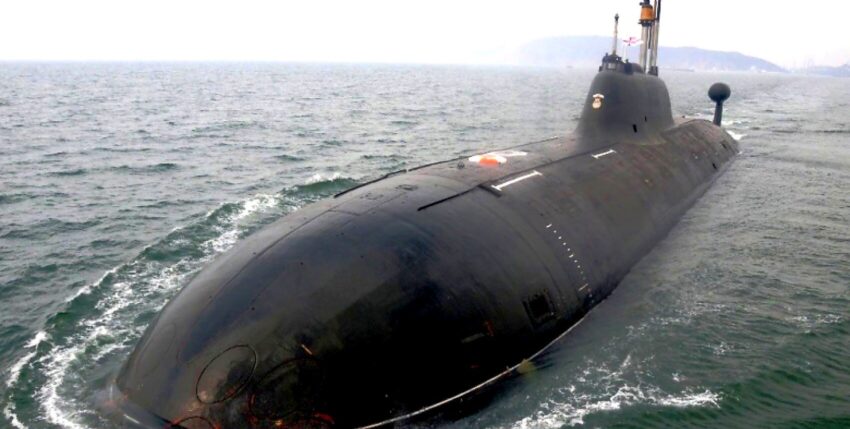







In parallel to Vladimir Putin's ongoing visit to the 23rd India-Russia Summit in New Delhi, India has signalled that the leasing of a Russian nuclear-powered attack submarine (SSN), which has been agreed since 2019, can now move into the implementation phase. Although the government rejects the impression of a newly concluded major contract, the key parameters remain unchanged: USD 2 billion, delivery in 2028, a ten-year service life and a mission profile that - as with the earlier Chakra boats - primarily includes training, reactor operations and tactical testing. This means that the long-delayed project is once again gaining momentum.
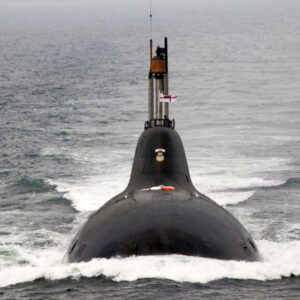
Co-operation line from chakra to chakra III
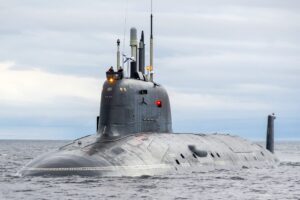
The agreement is part of decades of submarine cooperation between India and Russia, and previously the Soviet Union. With the Charlie class (1988-1991) and the leased "Chakra II" (Akula II class, 2012-2021), India gained nuclear submarine experience, which still forms the basis of its own SSBN programme today. Against this backdrop, "Chakra III" - even if not officially named as such - is the next step in a security partnership that has significantly shaped India's maritime rise. No information could be found on the class of the new rental submarine - presumably it will be a Jasen-class vessel currently under construction.
Why India needs the Russian bridge
India has been pursuing the development of its own nuclear-powered fighter submarines (SSN) since the mid-2010s. Development is progressing, but remains technologically demanding in terms of requirements: Higher speed, greater diving depths, more powerful reactors and more sophisticated sonar systems. The first Indian SSNs will not realistically be launched until the mid-2030s. Until then, Russian leasing will act as a strategic bridging technology - irreplaceable for maintaining personnel, processes and maintenance expertise in the nuclear sector at an operationally usable level.
Billions of rupees as geopolitical dynamite
What gives the project a strategic boost this time is the economic component: Russia can transfer its rupee reserves blocked in the Indian financial system into productive value creation via major maritime contracts. India has massively increased its Russian oil imports since 2022. A significant portion of the supplies has been settled in rupees and is stuck in the form of unavailable vostro balances (domestic rupee account for trade settlement) - estimates range from 30 to 50 billion US dollars equivalent. Both governments have been examining for months how these balances can be transferred to industrial co-operation. Rupee balances in these accounts may now be transferred and invested in central government bonds. The SSN leasing offers direct leverage for this: Moscow finances modernisation and preliminary work in India directly from these holdings, while Delhi effectively receives a subsidy for its own shipyard and supplier capacities. Buyer and seller roles are becoming blurred - and this in a highly sensitive technology segment.
Valuation
Although the boat is not contractually intended for combat operations, its mere availability changes the regional balance of power. Even with AIP modernisation, Pakistan lags behind an Indian SSN in terms of endurance and tactical flexibility. China, on the other hand, is closely observing how Delhi is expanding its underwater capabilities in parallel with Western co-operation - and thus strengthening its ability to track Chinese naval movements in the Indian Ocean. This creates a familiar dilemma for Western partners: they urge India to move away from Russian systems, but at the same time benefit from the fact that this leasing strengthens India's role as a counterweight to China. India, on the other hand, is sticking to its established line: strategic autonomy through diversification - and a prospective expansion of trade with Russia by 30 billion to 100 billion dollars within five years - contrary to urgent recommendations from the White House. Chakra III is therefore not an isolated act, but a building block in a larger maritime architecture that is reorganising the Indo-Pacific.
hum, ajs

 English
  German