


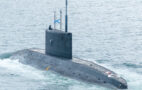

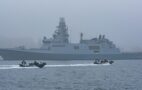

From 29 June to 4 August 2022, the biennial multinational and inter-force naval manoeuvre "Rim of the Pacific" (RIMPAC) will once again take place under the leadership of the United States Pacific Fleet in the sea area from Hawaii to Southern California.
In addition to the countries bordering the Pacific, the United States Marine Corps, the United States Coast Guard and the United States National Guard, the Royal Navy is also invited to take part. This year, 26 nations are taking part with 38 ships, 3 submarines, more than 170 aircraft, 30 unmanned systems and a total of around 25,000 people.
SINKEX
One of the more spectacular serials in the exercise catalogue is SINKEX (Sinking Exercise), in which decommissioned U.S. Navy units serve as targets for selected weapon systems - and are ultimately sunk, i.e. disposed of in an environmentally friendly manner under strict conditions and then usually declared an artificial reef.
SINKEX #1
On 12 July, the frigate ex-USS Rodney M. Davis (FFG-60, Oliver Hazard Perry class) was sunk by American, Canadian, Malaysian and Australian naval units using missiles and bombs. This was the actual "naval attack".
SINKEX #2
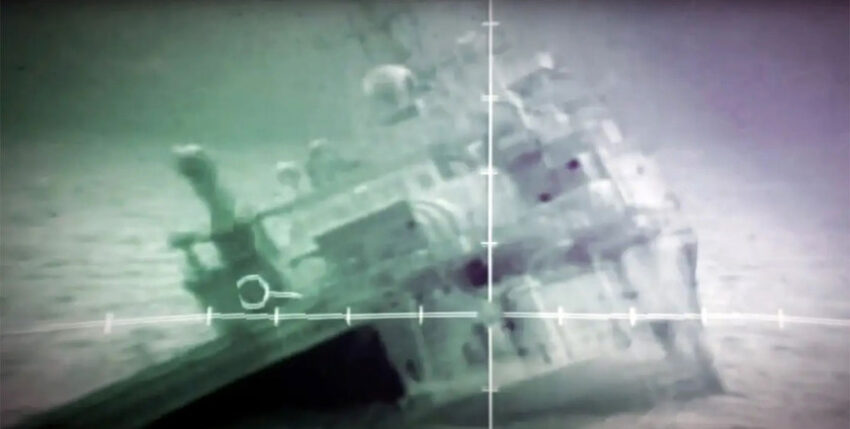
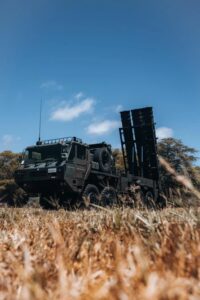
In a second, more land systems-heavy attempt on 22 July, the air, land and sea components of the U.S. Armed Forces and the Japanese Self-Defence Forces were able to demonstrate the effectiveness of their various weapon systems against the former dock landing ship USS Denver (LPD 9, Austin class).
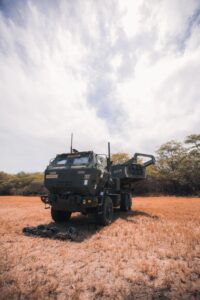
Fireworks
From Hawaii, the Japanese Ground Self-Defence Forces and the U.S. Army fired Type 12 surface-to-ship missiles and High Mobility Artillery Rocket System (HIMARS) practice missiles. From the air, a U.S. Navy F/A-18F Super Hornet deployed a long-range anti-ship missile. In addition, U.S. Army AH-64 Apache helicopters engaged the Denver with Hellfire air-to-ground missiles, unguided rockets and their 30mm cannons. The F/A-18C/D Hornets of the U.S. Marine Corps launched an air-launched cruise missile, plus air-to-ground anti-radar missiles and JDAM (Joint Direct Attack Munition) precision guided munitions.
Last but not least, the U.S. Navy was also able to let its 5-inch Mark 45 cannon speak from the sea with the guided missile destroyer USS Chaffee (DDG 90).
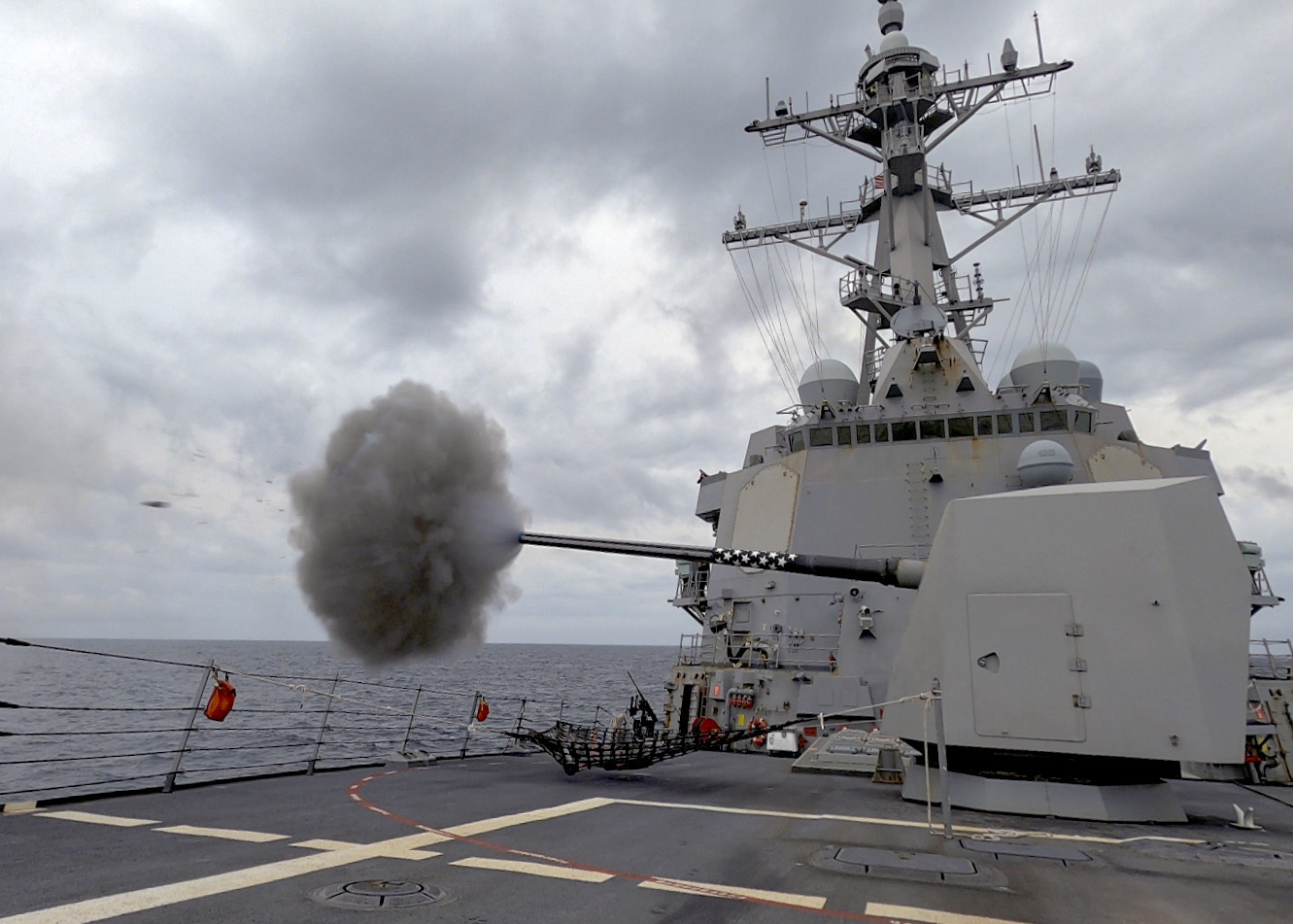
If it's possible, then it's possible!
However, the short videos only show a brief sequence of the concentrated fire, in which even the USS Denver, which was formerly in service with the US Navy for 46 years and decommissioned in 2014, was shot to a "sieve" by partially inert ammunition and could only follow the lines of force of gravity. A video of the shelling of the ex-USS Rodney M. Davis is also attached.

 English
  German
One Response
Spectacular story, I was completely unaware of it.
Best regards
Adnan