







The situation in the Persian Gulf remains highly dynamic. 129 ships with a German connection are affected, including 54 ships in the Persian Gulf
The situation assessment of the German Navy - Naval Shipping Command - on the Iran conflict is derived from the current situation picture drawn up by professionals. As advice and warning at the same time.
Following the intense exchanges of blows in the previous weeks, an initial two-week ceasefire agreed between the USA and Iran came into force on 8 April 2026. This agreement has led to a temporary cessation of direct air strikes between US forces and Iranian units. Nevertheless, the region remains highly volatile, as Israel is continuing its operations against Hezbollah in Lebanon and Iran is threatening to cancel the ceasefire if this happens.
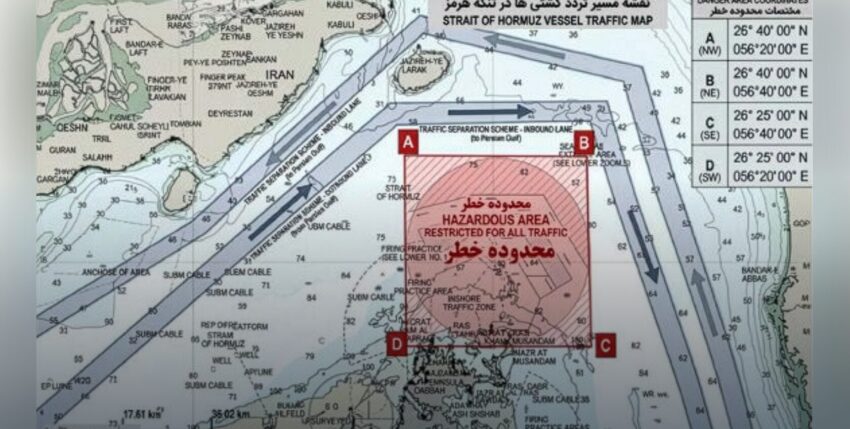
In the neighbouring states of Kuwait, Bahrain and the United Arab Emirates, there were still isolated attacks by ballistic missiles and drones on critical infrastructure such as desalination plants and energy centres despite the ceasefire. Iran continues to use control of the Strait of Hormuz as a primary means of exerting pressure and charges high fees for passage through its territorial waters. Ships with links to the USA or Israel continue to be categorised as hostile by the Iranian side, which is why arrangements for passage are strongly discouraged. In addition, IRN warns all ships of unauthorised passage via VHF channel 16. AIS and GPS are heavily disturbed, especially around the Strait of Hormuz, but the interference has reduced during the reporting period. Due to this GPS interference, a Doppler log is required for entry into the harbour of Mina al Fahal.
The maritime situation has improved due to the establishment of a fixed transit corridor north of the island of Larak consolidated.
Current ship movements clearly indicate that the route known as the Island Gate is now the primary bottleneck for traffic in the Persian Gulf from the IRN's perspective only. Transit there takes place exclusively under Iranian control and is currently reserved for ships that either have a direct connection to Iran or fulfil the required „Passage fee“ of around 2 million US dollars pay. This practice is flanked by Tehran's political demand to settle oil trade in Chinese yuan in future if the Strait of Hormuz is to be fully reopened in the long term.
At the same time, the regional security environment remains restrictive: Bahrain is maintaining its night-time traffic ban for ships between 18:00 and 04:00. Coordinated international escort operations are still not available. Various nations are working in the background on protection options for a stabilised situation in the region.
Infrastructure
The critical infrastructure situation in the Persian Gulf has been characterised by targeted attacks on energy and water supply systems and strategic export terminals since 2 April 2026. On 4 April 2026, Reuters and Iraqi News reported that drone strikes hit five oil sites in southern Iraq, including storage facilities west of Basra and the North Rumaila field operated by BP. These facilities are essential for supplying the terminals at Al-Faw harbour. These attacks are aimed at nipping alternative export routes to the blocked Strait of Hormuz in the bud or making them economically unattractive. Despite the ceasefire agreed on 8 April 2026, the condition of many facilities remains precarious.
Warning
It is also assumed that Iran still has sufficient missiles and drones, particularly for attacks in the Persian Gulf. The danger for ships remains. Passage through the strait remains virtually impossible without Iranian authorisation and the payment of high fees.
The Houthis in Yemen have announced the resumption of attacks against shipping, but have not yet implemented them. Nevertheless, they confirm that attacks in the Red Sea can be resumed as soon as the Houthis deem them necessary.
The risk potential for the Persian Gulf and the neighbouring regions must still be classified as critical overall.
With thanks to Naval Command Department Naval Shipping Management / Situation assessment of 10.04.2026

 English
  German