







Tactical data links: The invisible backbone of modern naval operations
Anyone serving on a German Navy frigate today no longer just works with radar and radio - but in highly complex digital networks. Tactical data links (TDL) form the invisible backbone of modern operational command. They supply command and weapon deployment systems (FüWES) with situation information in real time and thus enable a joint, precise situation picture at sea and in the air. But how does this system work - and who ensures that it runs smoothly during operations?
Training: From specialist to network manager
The foundation for this is laid at the Naval Operations School (MOS) in Bremerhaven. This is where soldiers in the 25 series are trained - specialists for the operations centre on board. The training is divided into four consecutive levels. In the first level, the course participants acquire in-depth knowledge of the systems of their ship type, such as those of the F125 frigate class, in a three-month training programme. This so-called type-specific system training (TSSA) ensures that everyone masters exactly the technology that will later be used in operations. The complexity increases with each further training level: while only one link standard may initially be used at Level 1, experienced TSSA specialists later work with several systems such as Link 16 or Link 22 in parallel. The final stage is a demanding certification - not in the classroom, however, but under realistic conditions during multinational exercises and manoeuvres.
Certification under operating conditions
Qualification takes place as part of the manoeuvres such as MJØLNER, MFE Andøya, Evolution Mongoose or the air force exercise Timber Express. Here, what has been learnt is tested under realistic conditions - in cooperation with partner nations and under high operational stress. Even afterwards, the qualification does not remain static: every two years, the specialists have to demonstrate their skills again in a TDL environment in order to maintain the competences they have acquired.
MJØLNER 2026: Planning at the highest level
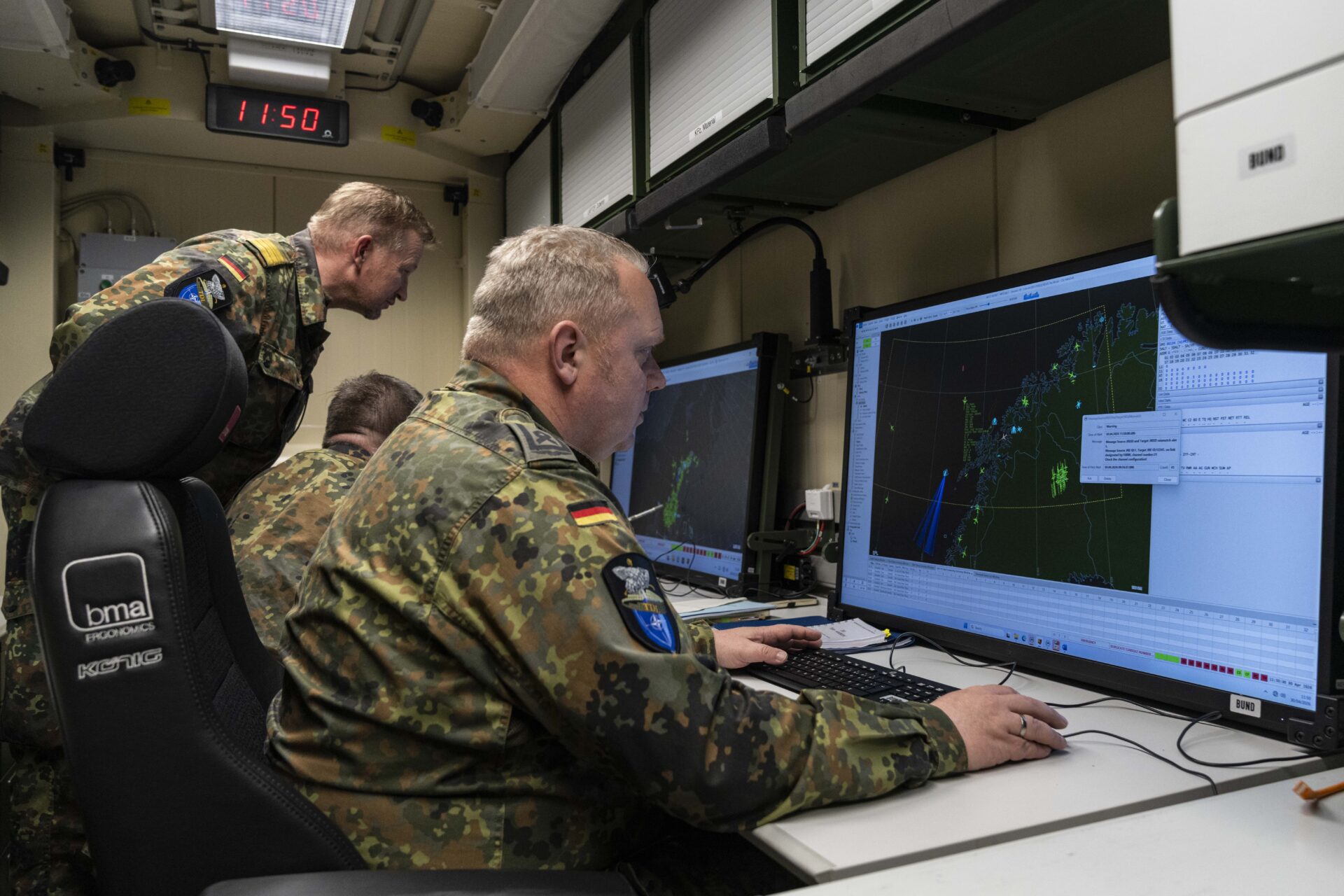
For Lieutenant Captain Jan-Erik, the manoeuvre MJØLNER 2026 The culmination of his training as a TDL coordinator (Level 4). In this role, he is responsible for planning, setting up and operating the entire data link network - including all command structures and advising the contingent commanders and manoeuvre management. Preparations begin long before the first digital signal: „The longest time was spent requesting the necessary crypto resources from the relevant authorities in the USA,“ reports Lieutenant Captain Jan-Erik. At the same time, international partners have to be coordinated, technical parameters harmonised and deployment plans developed. It is a particular challenge to integrate different nations with their respective systems and procedures into a functioning overall network.
Invisible infrastructure in the background
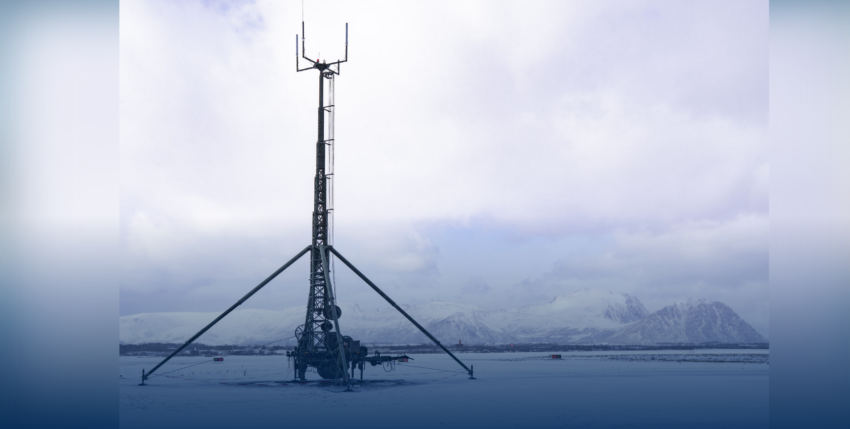
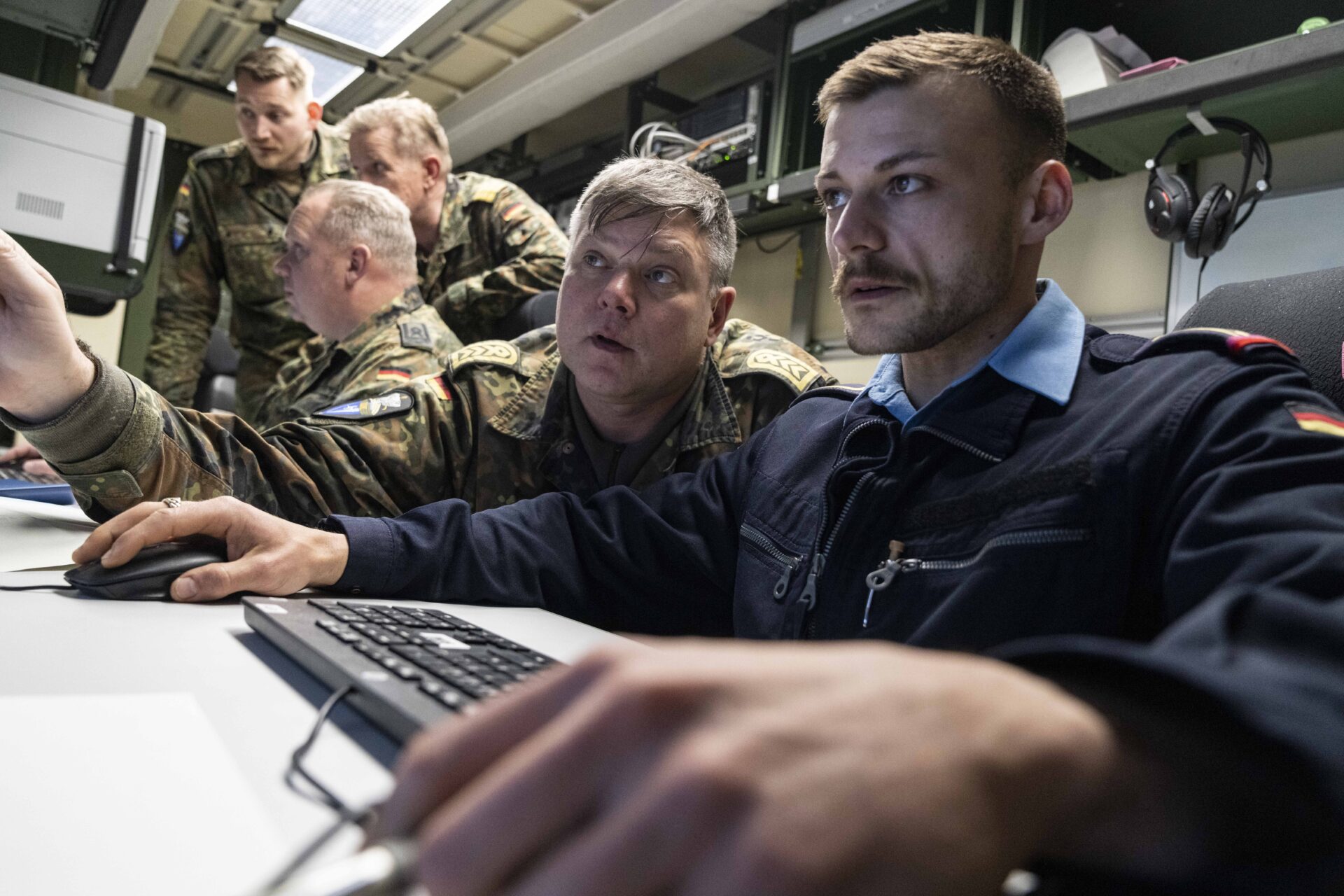
During the manoeuvre, the TDL specialists work in mobile command posts in containers stationed at a Norwegian airbase. From here, they control the network, assign frequencies and ensure that all units can communicate reliably with each other. Under the leadership of frigate captain Michael, head of the TDL lecture theatre at the MOS, the team coordinates the so-called „link coverage“ - comparable to mobile phone cells in the civilian sector. „If a cell fails, it's like a mobile phone without a network - no connection,“ he explains. The aim is therefore to ensure seamless coverage so that the ships in the field do not even realise where the required signal is coming from.
Precision in the network
The basis for smooth communication is a detailed set of commands, known as OPTASK in NATO jargon. This sets out all the parameters according to which all units organise their systems. The TDL specialists implement these specifications technically, both on land and on board. And if there is a problem? Then it is readjusted. Very pragmatically, just like in everyday life: with the mobile phone - walking through the landscape with an outstretched arm. At some point, reception is bound to work.
More than just technology
One thing becomes particularly clear with MJØLNER 2026: TDL is far more than just technology or services. It is teamwork, international cooperation and high-precision planning all rolled into one. Or, as the two of them put it in unison on site: „TDL is more than just a service - it's a skill that can make the difference between winning and losing.“
Text: Bw/Dirk Heuer
Photos: Bw/Leon Rodewald

 English
  German