



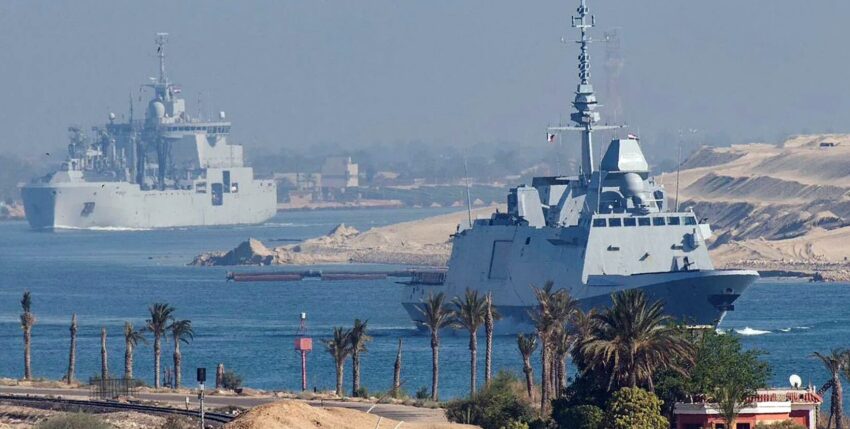





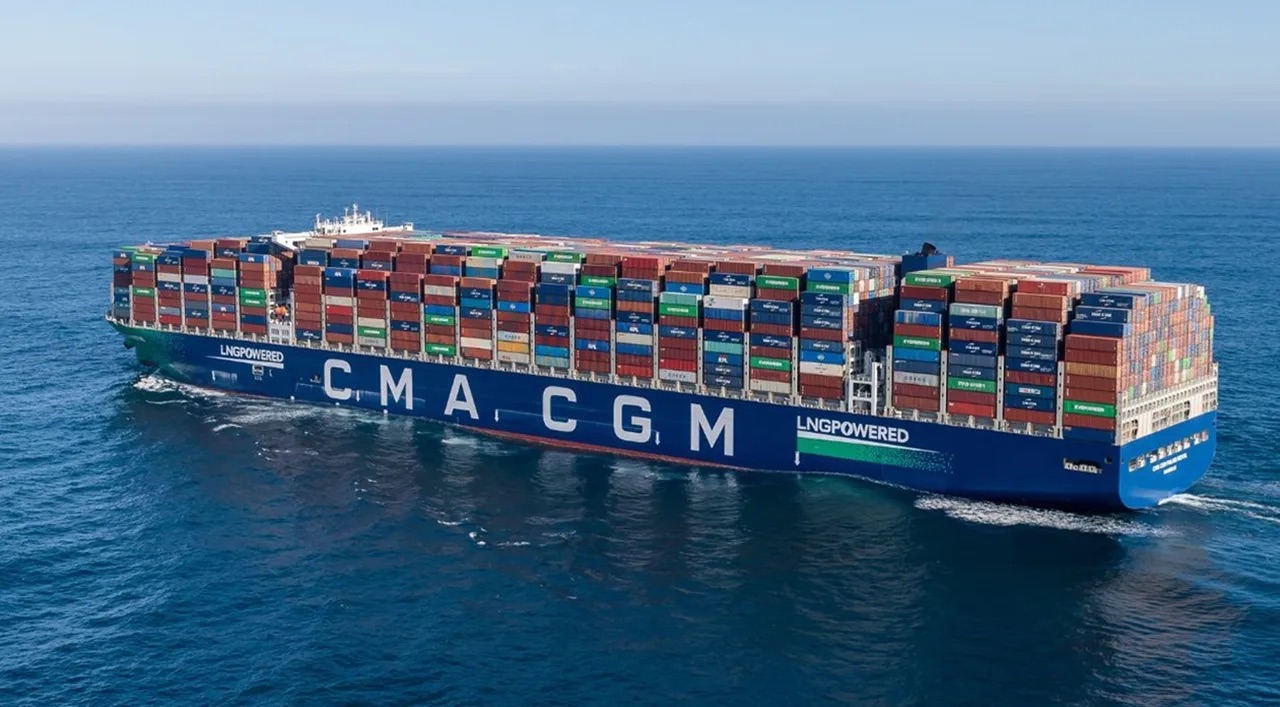
Following an Iranian attack on the French-operated container ship CMA CGM SAN ANTONIO, in which eight crew members were injured, and the indefinite suspension of the US-led escort mission „Project Freedom“ in the Strait of Hormuz, France has deployed its aircraft carrier group around the „Charles de Gaulle“ through the Suez Canal towards the Middle East. Paris is apparently preparing for a possible international security or stabilisation mission in the strategically important waterway.
The French General Staff explained that the French carrier battle group was deploying to the Red Sea and Gulf of Aden regions in view of the tense situation. The mission is purely defensive in nature and is in accordance with international law.
According to French ideas, the organisation could become part of a European security mission for a possible post-war scenario in the Strait of Hormuz. However, this would require a resumption of diplomatic talks between the USA and Iran as well as a gradual de-escalation in the region. Iran's stockpiles of highly enriched uranium in particular continue to be a central point of contention.
A French representative told Reuters that a multinational security mission to protect convoys in the Strait of Hormuz could be set up under these conditions. At the same time, he conceded that neither Iran nor the USA had yet agreed to a European mission.
It also remains unclear how control of the waterway could be organised in the future. Iran has announced that it intends to levy transit fees and administratively control the passage. According to Iran, the revenue is to be used to compensate for damage caused by American and Israeli attacks.
Iranian state media reported the establishment of a new „Persian Gulf Strait Authority“, which is to enforce Iranian regulations for international shipping in future. According to Al-Jazeera journalist Ali Hashem, shipping companies have already been informed of the new requirements. These include transit fees in Iranian currency, restrictions for countries in the US-Israeli coalition and the mandatory use of the term „Persian Gulf“ in all documents. Violations could result in confiscation or fines of up to 20 per cent of the cargo value - a considerable economic risk for VLCC tankers in particular.
British-French initiative for Hormuz
Following an Iranian attack in early May on the French-operated container ship CMA CGM SAN ANTONIO (flag state Malta), in which several crew members were injured, and the suspension of the US-led security operation „Project Freedom“ in the Strait of Hormuz, France has deployed its aircraft carrier group around the „Charles de Gaulle“ through the Suez Canal towards the Middle East.
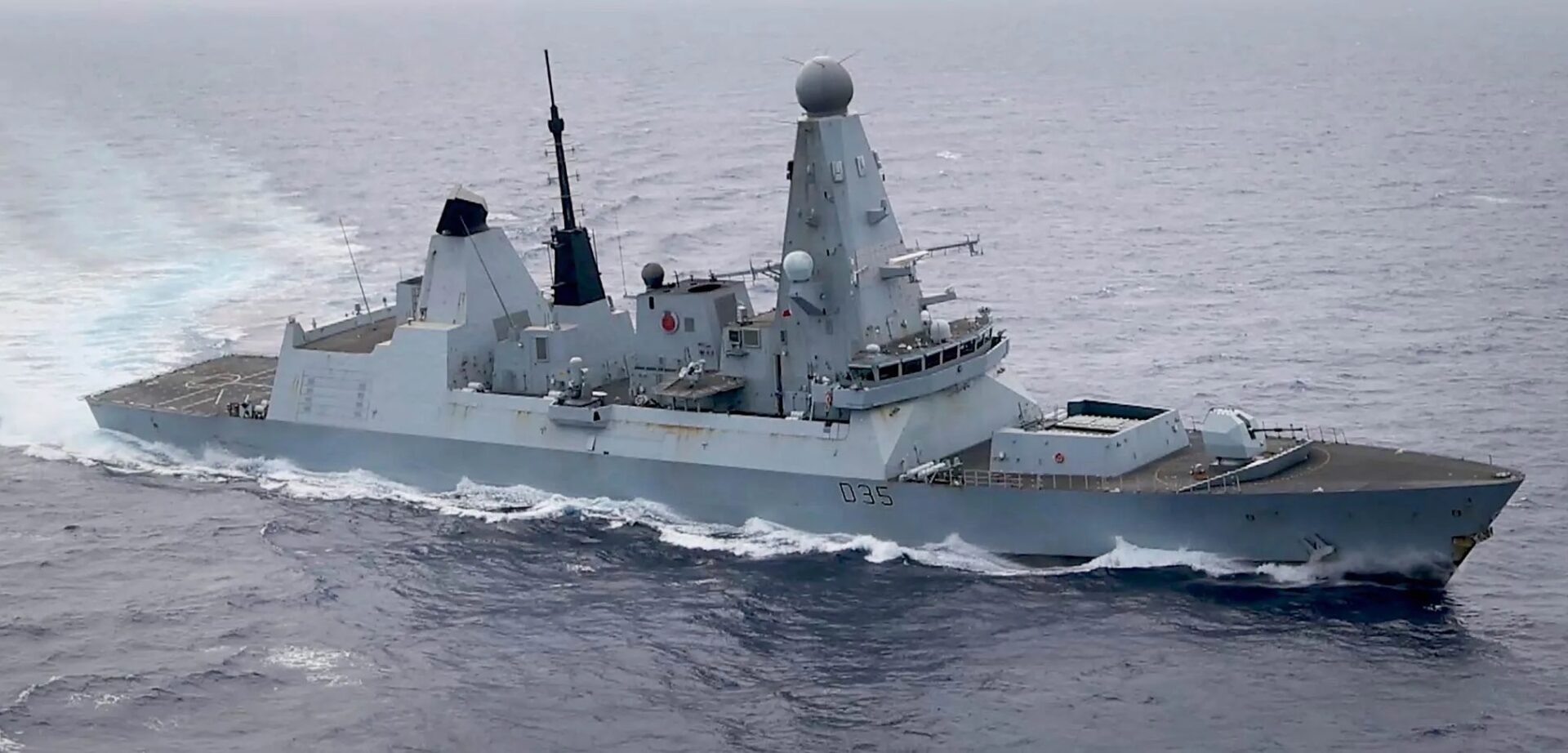
The British Ministry of Defence is also moving the destroyer HMS Dragon (Type 45) from the Mediterranean through the Suez Canal towards the Middle East.
Paris and London are apparently preparing for a possible multinational security mission to protect international shipping in the Strait of Hormuz. Both governments emphasised that the mission would be „strictly defensive and independent“ and in accordance with international law. The safe passage of merchant ships through the strategically important waterway was to be guaranteed. However, this would require the resumption of diplomatic talks between the USA and Iran as well as a gradual de-escalation in the region.
Iran's stocks of highly enriched uranium in particular continue to be a central point of contention. However, neither Iran nor the USA have yet agreed to a European presence. Quite the opposite. The Iranian government has threatened France and the UK with a „decisive and immediate response“ if their warships become active in the Strait of Hormuz. „We remind them that in times of war as well as peace, only the Islamic Republic of Iran can provide security in the Strait and will not allow any country to interfere in these matters“.
It remains unclear how control of the waterway could be organised in the future. The USA had proposed setting up a multinational naval coalition to secure the strait after the end of the conflict. Iran had announced its intention to control the passage administratively and to compensate for damage caused by American and Israeli attacks by collecting passage fees. Iranian state media reported the establishment of a new „Persian Gulf Strait Authority“, which is to enforce Iranian regulations for international shipping in future. Shipping companies have already been informed of new requirements, including transit fees in Iranian currency, restrictions for countries belonging to the US-Israeli coalition and the mandatory use of the term „Persian Gulf“ in all documents. Violations could result in confiscation or fines of up to 20 per cent of the cargo value - a considerable economic risk, especially for VLCC tankers.
kdk, The Maritime Executive, Navy Lookout, Spiegel

 English
  German